The Role of Vitamins in Nutrition
The Role of Vitamins in Nutrition
By: Dr. George Obikoya
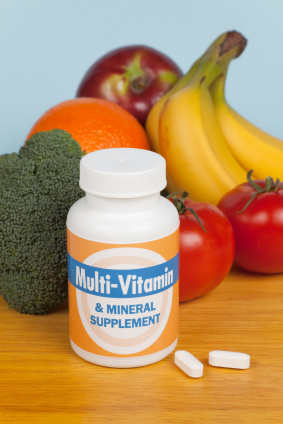
There is increasing awareness that we need vitamins to promote and enhance our health and well-being. Our environment has undergone and continues to undergo such tremendous changes that it is common knowledge that we cannot rely on the food we eat alone for our nutritional needs.
Congress defined the term "dietary supplement" in the Dietary Supplement Health and Education Act (DSHEA) of 1994 as a product taken by mouth that contains a "dietary ingredient" intended to supplement the diet. The "dietary ingredients" in these products may include; vitamins, minerals, herbs or other botanicals, amino acids, and substances such as enzymes, organ tissues, glandulars, and metabolites.
Dietary supplements can also be extracts or concentrates and can come in many forms. The two most common forms of supplements are liquid and pill forms, with liquids absorbing 5 times better than pill forms.
Whatever their form may be, DSHEA places dietary supplements in a special category under the general umbrella of "foods," not drugs, and requires that every supplement be labeled a dietary supplement. Historically in the United States, the most prevalent type of dietary supplement was a multivitamin/mineral tablet or capsule that was available in pharmacies by prescription or "over the counter." Supplements containing strictly herbal preparations were less widely available.
Currently in the United States, a wide array of supplement products are available and they include vitamin, mineral, other nutrients, and botanical supplements as well as ingredients and extracts of animal and plant origin. Scientists use several approaches to evaluate dietary supplements for their potential health benefits and safety risks, including their history of use and laboratory studies using cell or animal models.
Studies involving people (individual case reports, observational studies, and clinical trials) can provide information that is relevant to how dietary supplements are used. Researchers may conduct a systematic review to summarize and evaluate a group of clinical trials that meet certain criteria. A meta-analysis is a review that includes a statistical analysis of data combined from many studies.
By the way, manufacturers and distributors do not need FDA approval to sell their dietary supplements. This means that FDA does not keep a list of manufacturers, distributors or the dietary supplement products they sell. If you want more detailed information than the label tells you about a specific product, you may contact the manufacturer of that brand directly. The name and address of the manufacturer or distributor can be found on the label of the dietary supplement.
So how do these dietary supplements help improve our nutrition?
A few examples are;
Low calcium intake is one risk factor for osteoporosis, a condition
of lowered bone mass, or density. Lifelong adequate calcium intake
helps maintain bone health by increasing as much as genetically
possible the amount of bone formed in the teens and early adult
life and by helping to slow the rate of bone loss that occurs later
in life. Calcium supplements will help us achieve this goal although
a daily intake over 2,000 mg offers no added known benefit to bone
health.
Diets low in fat and rich in fruits and vegetables may reduce the risk of some cancers. Fruits and vegetables are low-fat foods and may contain fiber or vitamin A (as beta-carotene) and vitamin C. All the vitamins and minerals you need can be found in a high-quality liquid multivitamin.
Defects of the neural tube (a structure that develops into the brain and spinal cord) occur within the first six weeks after conception, often before the pregnancy is known. The U.S. Public Health Service recommends that all women of childbearing age in the United States consume 0.4 mg (400 mcg) of folic acid daily to reduce their risk of having a baby affected with spina bifida or other neural tube defects.
Even if you eat a wide variety of foods, how can you be sure that you are getting all the vitamins, minerals, and other nutrients you need as you get older? If you are over 50, your nutritional needs may change. Informed food choices are the first place to start, making sure you get a variety of foods while watching your calorie intake. Supplements and fortified foods may also help you get appropriate amounts of nutrients. To help you make informed decisions, talk to your doctor and/or registered dietitian. They can work together with you to determine if your intake of a specific nutrient might be too low or too high and then decide how you can achieve a balance between the foods and nutrients you personally need.
Certain vitamins such as vitamins C and E are noted for their potent antioxidant effects, an ability to rid us of free radicals that have been implicated in causing a variety of ailments ranging from heart diseases to cancers. It is clearly to wise to supplement your diet with such antioxidants.
There is, however, a need to be aware of some of the downside of these very valuable compounds. For example, taking a combination of supplements, using these products together with medications (whether prescription or over-the-counter), or substituting them in place of medicines your doctor prescribes could lead to harmful, even life-threatening results. Be alert to any advisories about these products.
Coumadin (a prescription medicine), ginkgo biloba (an herbal supplement), aspirin (an over-the-counter drug), and vitamin E (a vitamin supplement) can each thin the blood. Taking any of these products alone or together can increase the potential for internal bleeding or stroke. Another example is St. John's wort that may reduce the effectiveness of prescription drugs for heart disease, depression, seizures, certain cancers, or HIV.
A good multivitamin is the foundation of health and nutrition. Take a look at our scientific reviews of many of the popular brands for factors such as ingredients, areas of improvement, quality level, and overall value. If you are looking for a high quality liquid multivitamin, we suggest that you take a look at the Multivitamin Product Comparisons.
