Vitamin A (retinol) Information
Vitamin A (retinol) Information
By: Dr. George Obikoya
Vitamin A is one of the fat-soluble vitamins and retinol is one of its most active forms. This vitamin is found in animal foods such as liver and eggs and in some fortified food products. Retinol is often called preformed vitamin A and can be turned into retinal and retinoic acid, also active forms of vitamin A. About 25% and 35% of vitamin A consumed by men and women in the US is provided by provitamin A carotenoids. Beta-carotene is a provitamin A carotenoid that is more efficiently converted to retinol than other carotenoids.
Vitamin A plays a significant role in vision, bone growth, reproduction, cell division and cell differentiation. It helps to maintain the membranous linings of the eyes and the respiratory, urinary, and intestinal tracts. Those linings protect the organs from being invaded by bacteria and viruses.
Vitamin A is involved with the regulation of our immune system, which helps prevent or combat infections by producing white blood cells that destroy harmful bacteria and viruses and helping lymphocytes, a type of white blood cell that help us fight infections, function more vigorously.
Retinol is required for growth and reproduction of the skin, and
differentiation of epithelial tissue. This is important because
your skin ages over time and the results are wrinkles, rough texture,
discolorations, and thinning. Retinol is an essential fat-soluble
vitamin that is used to combat these negative effects and promote
healthy skin.
Some carotenoids serve as a source of vitamin A and double as antioxidants.
Antioxidants protect cells from free radicals, which are potentially
damaging by-products of oxygen metabolism that may contribute to
the development of some chronic diseases
Vitamin A in its beta-carotene form neutralizes free radicals through its antioxidant properties. Studies have shown that it can prevent LDL (bad cholesterol) from harming the heart and coronary blood vessels, and it may also protect against cancer of the lung, breast, bladder, prostate and digestive tract. It inhibits abnormal cell growth, strengthens the immune system, and aids and fortifies cellular functions. Vitamin A in its retinol form plays a major role in vision, the maintenance of epithelial tissue (the outermost layer of cells of the skin and eyes and the lining of the respiratory, reproductive and gastrointestinal tracts), and bone growth.
Vitamin A deficiency can result in a variety of medical problems. It can cause xeropthalmia, damage to the cornea of the eye, and even blindness. Night blindness is one of the first signs of vitamin A deficiency. Vitamin A deficiency contributes to blindness by making the cornea very dry and promoting damage to the retina and cornea. Vitamin A deficiency lessens our ability to fight infections. When there is not enough vitamin A, cells lining the lung lose their ability to remove disease-causing microbes, which may be partly responsible for the pneumonia associated with vitamin A deficiency.
There are subclinical forms of vitamin A deficiency, described as low storage levels of vitamin A that do not cause overt deficiency symptoms but heightens the chances of children developing respiratory and diarrhoeal infections, decrease growth rate, slow bone development, and decrease likelihood of survival from serious illness.
Certain categories of US kids have been found to be at increased risk for sub-clinical vitamin A deficiency. They include toddlers and preschool age children, children living at or below the poverty level, children with inadequate health care or immunizations, children living in areas with known nutritional deficiencies, recent immigrants or refugees from developing countries with high incidence of vitamin A deficiency or measles, and children with diseases of the pancreas, liver, intestines, or with inadequate fat digestion/absorption. These high-risk children need to be regularly assessed and given vitamin supplements with adequate vitamin A contents.
Vitamin A deficiency can also occur due to chronic diarrhoeal, and through an overall inadequate intake, as is often seen with protein-calorie malnourished children. Iron deficiency can reduce the metabolism of vitamin A, and iron supplements provided to iron deficient individuals may also improve vitamin A levels.
Excess alcohol intake depletes vitamin A stores and diets high in alcohol usually are deficient in vitamin A. You should include a daily amount of vitamin A in your diet if you take a substantial quantity of alcohol. However, you should be careful with how much of the supplement you take because alcohol may increase liver toxicity associated with excess intakes of vitamin A. You should contact your doctor for advice on this issue.
Vitamin A is recommended for all children diagnosed with measles in communities where vitamin A deficiency is a major problem. It is also recommended for two subgroups of children likely to be at high risk for sub-clinical vitamin A deficiency, namely, children between 6-24 months old who had been hospitalized with measles and hospitalized children older than 6 months.
Note also that fat malabsorption can promote diarrhea and prevent normal absorption of vitamin A. This is most often seen with cystic fibrosis, sprue, pancreatic disorders, and after stomach surgery. Such individuals need vitamin A supplementation. So do vegetarians who do not consume eggs and dairy foods. Besides the benefits mentioned earlier, there is evidence to suggest a link between diets rich in beta-carotene and vitamin A and a lower risk of some types of cancer such as lung cancer and of coronary heart diseases.
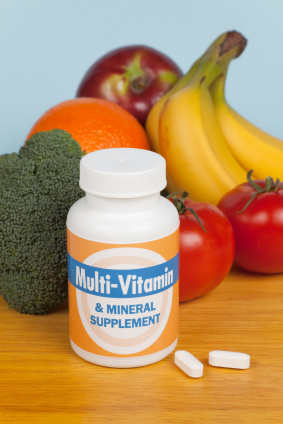
A good multivitamin is the foundation of health and nutrition. Take a look at our scientific reviews of many of the popular brands for factors such as ingredients, areas of improvement, quality level, and overall value. If you are looking for a high quality liquid multivitamin, we suggest that you take a look at the Multivitamin Product Comparisons.
