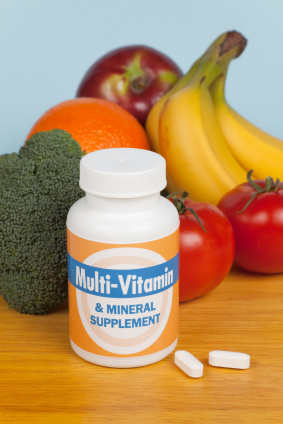
Vitamin B: The Energy Vitamin
Vitamin B: The Energy Vitamin
By: Dr. George Obikoya
The B-complex vitamins are actually a group of eight vitamins, which include thiamine (B1), riboflavin (B2), niacin (B3), pyridoxine (B6), folic acid (B9), cyanocobalamin (B12), pantothenic acid and biotin.
Many people consume foods fortified with vitamin B, but the typical American diet high in processed, cooked and microwavable food gives us only a fraction of the B-vitamins we need for good health. There are a number of ways to make up for this deficiency, but liquid multivitamins are generally considered to have the advantage over all other supplements.
The B vitamins are vital to a vigorous and energetic long life. What's more, you can get serious health problems if you lack them. B vitamins are easily flushed out of the body, and people on weight-loss diets, alcoholics or those who take antibiotics or seizure drugs are even more prone to having vitamin B deficiency.
While it is safe for many people to take three times or more of the RDA (Recommended Daily Allowance) for B-vitamins, each of us has unique requirements based on our own individual physiology and lifestyle. Hence, it is important to check with your doctor before beginning a vitamin regimen in order to determine your proper dosage. Because deficiencies usually include more than one B-vitamin, and because the B-vitamins work best as a team, you should take a B-complex supplement along with any single B-vitamin in order to achieve their synergistic effects.
B1-Thiamin: Thiamin is necessary for adrenal gland function, proper immune performance and the synthesis of neurotransmitters. It also plays a role in the metabolism of food and alcohol. The RDA for thiamin is very low and does not consider increased thiamin requirements that result from an unhealthy lifestyle, old age or disease. Seniors typically have lower thiamin levels and should be aware of symptoms such as poor memory, fatigue, muscle weakness and blindness, and in time even heart disease, brain damage or death. Because thiamin, in combination with alpha lipoic acid (ALA), encourages the nerves of the skin and the blood vessels to regenerate, people with diabetic neuropathies often feel relief from pain when they increase their thiamin intake along with ALA.
B2-Ribofiavin: Riboflavin is required for energy production and oxygen utilization. The symptoms of low riboflavin include fatigue, blindness, anemia and crusting around the mouth.
Doctors sometimes prescribe riboflavin to prevent migraine headaches and to alleviate arthritis pain. Recent research suggests that riboflavin may also play a role in the prevention of cancer.
B3-Niacin: is also necessary for the body's production of energy. It is also useful in treating high cholesterol, schizophrenia, neurological disease and Raynaud's syndrome (a blood vessel disorder).
If you intend to take high doses of niacin, you should use "flush free" niacin. Besides lowering LDL (low-density lipoprotein or "bad") cholesterol, niacin, in combination with vitamin C, can reduce the body's production of lipoprotein (a), a risk factor for heart disease. Let your physician monitor you if you are taking high doses of niacin.
B5-Pantothenic Acid: is obligatory for energy production. It is also required for proper immune function and adrenal stress hormone production. It is sometimes referred to as the "anti-stress" vitamin.
B6-Pyridoxine and Folic Acid: work together to regulate the levels of homocysteine, a byproduct of protein breakdown that damages arteries and makes them prone to cholesterol deposits.
Folic acid is especially important for women of childbearing age, as deficiencies of this nutrient have been linked with birth defects. Women on birth control pills, pregnant women, all women of childbearing age, as well as alcoholics, heart disease patients and people taking antibiotics should make sure they take between 400-800 mcg of folic acid per day.
B12-Cobalamin: is required for normal gene function, energy production, the formation of blood cells and proper immunity.
Choline and Inositol: Choline is necessary for building your cells and severe deficiency can cause death. Because of its anti-inflammatory nature, choline supplements of 1,000 mg are effective and safe for treating asthma and arthritis. Inositol deficiency can lead to severe mental problems. Hence, inositol helps in the treatment of depression, panic attacks, and obsessive-compulsive disorder, with a daily dose as high as 12-18 gm. It is also used to prevent hardening of the arteries, protect the heart and treat cancer. Two daily B-complex capsules should provide sufficient amounts of these two vitamins for most people.
Biotin and Paraminobenzoic acid (PABA): Biotin is required for fat and protein metabolism, effective immunity and gene function. Biotin deficiency is most common in the elderly, people with diabetes and in those who take too many antibiotics. PABA is necessary for the metabolism of amino acids and in the formation of blood. Biotin and PABA deficiencies are rare and people can usually get enough from a good B-complex supplement.
The B-complex vitamins receive less media attention than the other vitamins but as you can see from reading this article, they are fundamental for life. As such, a daily regimen to acquire all of them, such as a liquid multivitamin, is an excellent way to prevent the diseases and conditions described in this article. They work together as team members, which keep your body functioning normally and provide you with the energy you need to conduct your daily activities. Plus, B-complex vitamins can help prevent many diseases because they repair nucleic acids and immune cells.
A good multivitamin is the foundation of health and nutrition. Take a look at our scientific reviews of many of the popular brands for factors such as ingredients, areas of improvement, quality level, and overall value. If you are looking for a high quality liquid multivitamin, we suggest that you take a look at the Multivitamin Product Comparisons.The B-complex vitamins are actually a group of eight vitamins, which include thiamine (B1), riboflavin (B2), niacin (B3), pyridoxine (B6), folic acid (B9), cyanocobalamin (B12), pantothenic acid and biotin.
References
Berkson, B., M.D., Ph.D. All About the B Vitamins. Garden City Park,
NY: Avery Publishing Group, 1998.
Berkson, B. The Alpha-Lipoic Acid Breahthrough. Rocklin, CA: Prima Publishing 1999.
