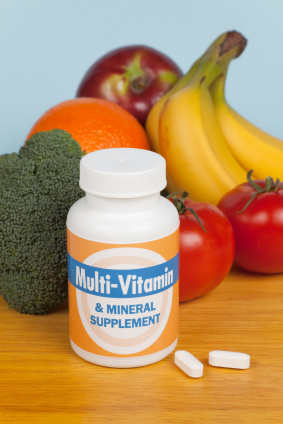
Vitamin B12 (cobalamin) Information
Vitamin B12 (cobalamin) Information
By: Dr. George Obikoya
Vitamin B12 also called Cyanocobalamin, a complex water-soluble organic compound. It is essential for recycling certain important enzymes in our body to maintain health of blood, nerve and other cells. Vitamin B12, known as the anti-pernicious-anemia factor, is also known as the extrinsic factor, a substance from outside the body that aids in the development of red blood cells in us.
Vitamin B12 is unique in that it contains a metallic ion, cobalt, and has a complex chemical structure. Vitamin B12 occurs in several forms, called cobalamins; cyanocobalamin is the principal one used in vitamin supplements and pharmaceuticals.
In the 1930s the American physician W.B. Castle isolated an "intrinsic factor" in normal gastric secretion that was absent in the stomachs of persons suffering from pernicious anemia, an acute and sometimes fatal disorder of the red blood cells. Castle postulated that an "extrinsic factor" that alleviated or prevented pernicious anemia was to be found in animal liver, because improvement had been noted when diets of these patients included large amounts of liver. In 1948-49 simultaneous studies by the chemists Karl Folkers in the United States and Alexander Todd in England isolated and identified vitamin B12 as the pure antianemia factor present in liver. The human daily requirement for vitamin B12 is 3 micrograms.
Vitamin B12 is involved in cellular metabolism in two active coenzyme forms, methylcobalamin and 5-deoxyadenosylcobalamin. Vitamin B12 cooperates with folate in the synthesis of DNA. A deficiency of either compound leads to disordered production of DNA and, hence, to the impaired division of red blood cells that is the cause of pernicious anemia.
Vitamin B12 also has a separate biochemical role, unrelated to folate, in the synthesis of fatty acids in the myelin sheath that surrounds nerve cells. Vitamin B12 is required for the normal activity of nerve cells, and works with folate and vitamin B6 to lower blood levels of homocysteine, a chemical in the blood that is thought to contribute to heart disease. Vitamin B12 also plays a role in the body's manufacture of S-adenosylmethionine, or SAMe. SAMe was discovered in Italy in 1952. It was first investigated as a treatment for depression, but along the way it was accidentally noted to improve arthritis symptoms--a kind of positive "side effect." SAMe is presently classed with glucosamine and chondroitin as a potential "chondroprotective" agent, one that can go beyond treating symptoms to actually slowing the progression of arthritis.
Anemia is usually the first sign of B12 deficiency. Earlier in this century, doctors coined the name "pernicious anemia" for a stubborn anemia that didn't improve even when the patient was given iron supplements. Today we know that pernicious anemia is usually caused by a condition in which the stomach fails to excrete a special substance called intrinsic factor. The body needs the intrinsic factor for efficient absorption of vitamin B12. In 1948, vitamin B12 was identified as the cure for pernicious anemia.
More recent evidence suggests that B12 supplements may improve sperm count and mobility, possibly enhancing fertility. Vitamin B12 has also been proposed as a treatment for numerous other conditions such as osteoporosis (calcium loss in bones), depression, and teeth diseases. Sore tongue, tiredness, memory, and lack of concentration are some other common symptoms and signs of Vitamin B12 deficiency.
We all need regular daily doses of Vitamin B12, particularly so pregnant and breast-feeding women and older people (over 55). Since vitamin B12 is not found in plant foods unless fortified, for example, breakfast cereal, vegans are also likely to benefit from taken additional vitamin B12.
Vitamin B12 deficiency is rare in the young, but it's not unusual in older people: Probably 10 to 20% of the elderly are deficient in B12. This may be because older people have lower levels of stomach acid. The vitamin B12 in our food comes attached to proteins, and must be released by acid in the stomach in order to be absorbed. When stomach acid levels are low, we don't absorb as much vitamin B12 from our food. Fortunately, vitamin B12 supplements don't need acid for absorption. For this reason, people who take medications that greatly reduce stomach acid, such as Prilosec (omeprazole) or Zantac (ranitidine), should probably also take B12 supplements.
Stomach surgery and other conditions affecting the digestive tract can also lead to B12 deficiency. Vitamin B12 absorption is also impaired by colchicine (for gout), metformin and phenformin (for diabetes), and bile acid sequestrants such as colestipol and cholestyramine (for high cholesterol). Slow-release potassium supplements can also impair B12 absorption.
For correcting absorption problems caused by medications, taking vitamin B12 at the level of dietary requirements should suffice. For other purposes, you need enormously higher daily doses, ranging from 100 to 2,000 mcg. Because the B vitamins tend to work together, many nutritional experts recommend taking B12 with other B vitamins in the form of a B-complex supplement.
For pernicious anemia, B12 injections are traditionally used but research has shown that oral B12 works just as well, provided you take enough of it (between 300 and 1,000 mcg daily). Preliminary evidence suggests that B12 supplements may improve sperm activity and sperm count and perhaps treat male infertility.
Vitamin B12 is widely recommended as a treatment for asthma, but there is little real evidence that it is effective. Vitamin B12 has been suggested for AIDS, nerve damage due to diabetes, multiple sclerosis (MS), and tinnitus.
A good multivitamin is the foundation of health and nutrition. Take a look at our scientific reviews of many of the popular brands for factors such as ingredients, areas of improvement, quality level, and overall value. If you are looking for a high quality liquid multivitamin, we suggest that you take a look at the Multivitamin Product Comparisons.
