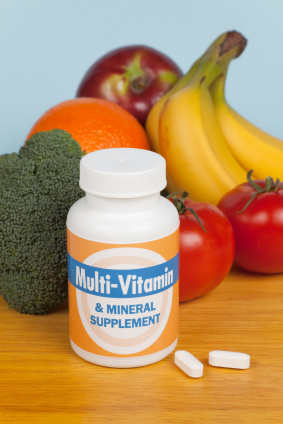
Vitamin B2 (riboflavin) Information
The Benefits of Vitamin B2 (riboflavin)
By: Dr. George Obikoya
Also called Riboflavin, Vitamin B2 is a yellow, water-soluble organic compound essential for our health and well being. Riboflavin was isolated in pure form in 1933 and was first synthesized in 1935. Vitamin B2 functions as part of metabolic systems concerned with the oxidation of carbohydrates and amino acids, the constituents of proteins.
Like vitamin B1 (thiamine), it is active not in the free form but in more complex compounds known as coenzymes, such as flavin mononucleotide (FMN) and flavin adenine dinucleotide (FAD), or flavoprotein, all vital for the processes that make energy available in your body. Riboflavin works effectively with iron, vitamin B6 and folic acid. It is important for skin and eye health. An adult human needs 1.2 to 1.7 mg of the vitamin per day.
Its deficiency results in trembling, dizziness, poor concentration and memory, blood-shot, red, tired or gritty eyes.
Deficiency of riboflavin is also characterized by variable symptoms that may include reddening of the lips with cracks at the corners of the mouth (cheilosis); inflammation of the tongue (glossitis); ocular disturbances, such as vascularization of the eyeball with eyestrain and abnormal intolerance of light; and a greasy, scaly inflammation of the skin. Some disagreement persists as to the characteristic syndrome of riboflavin deficiency in humans because it tends to be associated with a deficiency of other vitamins, notably niacin.
Those who consume large amounts of alcohol, dieters, those with a busy/stressful lifestyle, athletes need to take even more riboflavin than the rest of us who also need to take it daily. Preliminary evidence suggests that riboflavin supplements may offer benefits for two illnesses: migraine headaches and cataracts.
For migraine headaches, the typical recommended dosage of riboflavin is much higher than nutritional needs: 400 mg daily. For cataract prevention, riboflavin may be taken at the nutritional dosages described. Since the B vitamins tend to work together, many nutritional experts recommend taking B2 with other B vitamins, perhaps in the form of a B-complex supplement.
According to a 3-month double-blind placebo-controlled study of 55 people with migraines, riboflavin can significantly reduce the frequency and duration of migraine attacks.1This study found that, when given at least 2 months to work, a daily dose of riboflavin (400 mg) can produce dramatic migraine relief.
The majority of the participants experienced a greater than 50% decrease in the number of migraine attacks as well as the total days with headache pain. A larger and longer study is needed to follow up on these results.
Riboflavin supplements may help prevent cataracts, but the evidence isn't yet clear. In a large, double-blind placebo-controlled study, 3,249 people were given either placebo or one of four nutrient combinations (vitamin A/zinc, riboflavin/niacin, vitamin C/molybdenum, or selenium/beta-carotene/ vitamin E) for a period of 6 years.2
Those receiving the niacin/riboflavin supplement showed a significant (44%) reduction in the incidence of cataracts. Strangely, there was a small, but statistically significantly higher incidence of a special type of cataract (called a subcapsular cataract) in the niacin/riboflavin group. However, it is unclear whether the effects seen in this group were due to niacin, riboflavin, or the combination of the two.
Riboflavin has also been proposed as a treatment for sickle-cell
anemia and as a performance enhancer for athletes.
The U.S. Dietary Reference Intake (formerly known as the Recommended
Dietary Allowance) for riboflavin is as follows:
Infants 0-5 months, 0.3 mg
6-11 months, 0.4 mg
Children 1-3 years, 0.5 mg
4-8 years, 0.6 mg
9-13 years, 0.9 mg
Males 14 years and older, 1.3 mg
Females, 14-18 years, 1.0 mg
19 years and older, 1.1 mg
Pregnant women, 1.4 mg
Nursing women, 1.6 mg
Riboflavin seems to be an extremely safe vitamin supplement. However, you should avoid using it in larger doses than those recommended without seeking your doctor's advice.
A good multivitamin is the foundation of health and nutrition. Take a look at our scientific reviews of many of the popular brands for factors such as ingredients, areas of improvement, quality level, and overall value. If you are looking for a high quality liquid multivitamin, we suggest that you take a look at the Multivitamin Product Comparisons.
References
1. Schoenen J, Jacquy J, and Lenaerts M. Effectiveness of high-dose
riboflavin in migraine prophylaxis. A randomized controlled trial.
Neurology 50: 466-470, 1998.
2. Sperduto RD, Hu TS, Milton RC, et al. The Linxian cataract studies. Two nutrition intervention trials. Arch Ophthalmol 111: 1246-1253, 1993.
