Vitamin D (cholecalciferol) Information
Vitamin D (cholecalciferol) Information
By: Dr. George Obikoya
Vitamin D, also known as calciferol, is a fat-soluble vitamin found in food, but also can be made in your body after exposure to ultraviolet rays from the sun. Vitamin D exists in several forms, each form acting differently, some actually relatively inactive in our body. The liver and kidney help convert vitamin D to its active hormone form.
There are two main types of vitamin D. Vitamin D2 is formed by the action of UV-B on the plant precursor ergosterol. It is found in plants and used to be added to irradiated cows milk. Most milk today contains D3. Vitamin D3 or cholecalciferol is found in animal foods. Both forms of vitamin D have been used successfully to treat rickets and other diseases related to vitamin D insufficiency.
Vitamin D3 is often thought to be the preferred vitamin because it has more biological activity. Vitamin D3 as found in food or in human skin always has various metabolites or isomers that may have biological benefit. There may be as many as 12 metabolites or isomers in the vitamin D found in animal foods. When vitamin D is taken in the form of fish oil, or eaten in foods such as eggs or fish, these metabolites will be present.
When we take in vitamin D from food or sunlight, it is converted first in the liver to the form 25(OH) D and then in the kidney to 1, 25 (OH) D. These active forms of vitamin D are available by prescription. They are given to those with liver or kidney failure or those with a hereditary metabolic defect in vitamin-D conversion.
The main biologic function of vitamin D is to maintain normal blood levels of calcium and phosphorus. Vitamin D aids in the absorption of calcium, helping to form and maintain strong bones. It promotes bone mineralization along with a number of other vitamins, minerals, and hormones. Without vitamin D, bones can become thin, brittle, soft, or misshapen. Vitamin D prevents rickets in children and osteomalacia in adults, skeletal diseases that result in defects that cause weak bones and muscles.
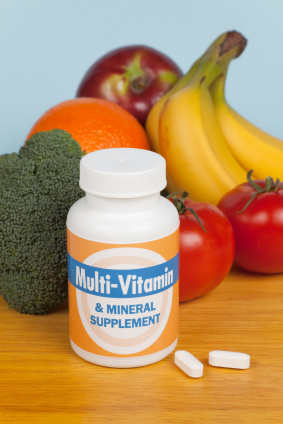
Vitamin D deficiency can occur when dietary intake of vitamin D is insufficient, when there is limited exposure to sunlight, when the kidney cannot convert vitamin D to its active form, or when someone cannot adequately absorb vitamin D from the gastrointestinal tract. A good liquid multivitamin will provide you with ample vitamin D for your body.
Canadian researcher, Dr. Reinhold Vieth, argued that current vitamin D recommendations are woefully inadequate. The recommended dose of 200-400 international units (IU) will prevent rickets in children but does not come close to the optimum amount necessary for vibrant health.1 According to Dr. Vieth, the minimal daily requirement of vitamin D should be in the range of 4,000 IU from all sources, rather than the 200-400 currently suggested, or ten times the Recommended Daily Allowance (RDA).
Osteoporosis is not uncommon in the US. It is a disease characterized by fragile bones, which increases a person's risk of bone fractures. Normal levels of vitamin D helps keep your bones healthy and strong and may help prevent osteoporosis in elderly, the bed-ridden, in post-menopausal women, and those on chronic steroid therapy. Vitamin D deficiency is relatively common in post-menopausal women and seniors. This might explain the higher incidence of hip fractures among these groups of people, who should, therefore, take higher amounts of vitamin D. Research evidence suggests that vitamin D may protect against some cancers, particularly colon cancer.
Steroids commonly used as anti-inflammatory medications used in a variety of medical conditions lower calcium absorption and impair vitamin D metabolism, further contributing to the loss of bone and development of osteoporosis associated with steroids. Persons on chronic steroid therapy may, therefore, need to take extra vitamin D, preferably in liquid form due to much better absorption rates when compared to pill form.
Persons with Alzheimer's disease have increased risk of hip fractures, perhaps because many of these individuals often stay home and get little sunlight. Furthermore, this condition is more prevalent in the elderly whose skin's capacity to convert vitamin D to its active form is much less due to the aging process. These individuals are also prone to developing hip fractures. It is, therefore, important to give these individuals vitamin D supplements as part of their overall treatment regime.
The standard American diet provides vitamin D only in very low quantities. We need to supplement our diets with vitamin D. In persons that lived till a hundred years old, high levels of vitamin D in the blood and normal thyroid function were the strongest markers of health and longevity. The Food and Nutrition Board of the Institute of Medicine considers an intake of 25 mcg (1,000 IU) for infants up to 12 months of age and 50 mcg (2,000 IU) for children, adults, pregnant, and lactating women to be the tolerable upper intake level (UL).
Adequate calcium and magnesium, as well as other minerals, are important parts of vitamin D therapy. Without calcium and magnesium in sufficient quantities, vitamin-D supplementation will withdraw calcium from the bone and will allow the uptake of toxic minerals. It is therefore important to supplement and sunbathe when you are certain you have sufficient calcium and magnesium to meet your daily needs.
Also important about using vitamin D is that the assimilation and utilization of vitamin D is influenced by the kinds of fats we consume. If you increase the levels of both polyunsaturated and monounsaturated fatty acids in your diet, you will decrease the binding of vitamin D to D-binding proteins. Saturated fats such as those found in butter, tallow and coconut oil, and the omega-3 fats do not have this effect.
A good multivitamin is the foundation of health and nutrition. Take a look at our scientific reviews of many of the popular brands for factors such as ingredients, areas of improvement, quality level, and overall value. If you are looking for a high quality liquid multivitamin, we suggest that you take a look at the Multivitamin Product Comparisons.
References
1. Vieth R. Vitamin D supplementation, 25-hydroxyvitamin D concentrations,
and safety Am.J.Clin.Nutr. 1999; 69: 842-56.
