What Can Vitamin Deficiencies Lead To?
What Can Vitamin Deficiencies Do?
By: Dr. George Obikoya
Vitamins are essential to healthy living, and they perform best when there are adequate amounts of each and every one. There are many different types of vitamins, each having its own specific benefit to various parts and functions of the human body. Take gasoline and oil in an automobile for instance (one can pretend they are vitamins). A car (the human body) needs gasoline to drive. Now, gasoline by itself doesn't keep the car driving without oil in the engine. In that same sense, the perfect amount of oil in the engine is useless without gasoline to power it. The two vital substances are both required at the same time, and need to be replenished very frequently to keep the car running smoothly in the same way all people constantly need vitamins to continue living healthy. If just one of the many things needed to run a car (oil in the engine, air in the tires, gas in the tank, and headlights at night) are missing, the entire car is inoperable, totally useless. While the human body still may be able to perform without the appropriate levels of just a few vitamins for a short period of time, hundred of years of research point towards disease and sickness as a result.
Each vitamin has a complex of symptoms and signs that characterize its deficiency. Currently, the most important benefit attributed to vitamins in general are their anti-oxidant properties. Vitamins A, C, E, and many of the carotenoids and phytochemicals are scavengers for particles known as oxygen-free radicals (or oxidants). These chemically active particles are by-products of many of the body's normal chemical processes. Their numbers are increased by environmental assaults, such as smoking, chemicals, toxins, and stress. The simple act of living also produces them, as we breathe in oxygen constantly.
At moderate to high levels, oxidants and free radicals can be very harmful. They can damage cell membranes and interact with genetic material, possibly contributing to the development of a number of disorders including cancer, heart disease, cataracts, and even the aging process itself. Oxygen-free radicals can also enhance the dangerous properties of low-density lipoprotein (LDL) cholesterol, a major player in the development of atherosclerosis. Antioxidant Vitamins A, C, E, carotenoids, and many phytochemicals can neutralize free radicals, and may reduce or even prevent some of their damage.
For instance, deficiencies of Vitamins A, C, E, and beta carotene have been linked to heart disease. All of these nutrients have antioxidant effects and other properties that may benefit the heart. Vitamin E may prevent blood clots and the formation of fatty plaques and cell proliferation on the walls of the arteries. Of interest are studies suggesting that 1200 IU of the natural (d) alpha tocopherol form of Vitamin E (4000% US Recommended Daily Value) reduces inflammation and damage to blood vessels. Type 2 Diabetics, as suggested by many health professionals, may in particular benefit from this as well. Vitamin E deficiency should therefore never be allowed to occur if you have this type of Diabetes.
Other Vitamin E compounds, including gamma tocopherol or tocotrienol may also have specific benefits. Studies are fairly consistent in indicating that eating foods rich in natural Vitamin E may be protective. Vitamin C appears to maintain blood vessel flexibility and improve circulation in the arteries of smokers. In one English 2001 study, people whose diets were rich in foods that elevated levels of Vitamin C in their blood were at lower risk for heart disease, overall poor health, and even death. Vitamins E and C in combination have even been shown to reduce your risk of developing Alzheimer's disease!
Several important studies have demonstrated a link between deficiencies in the B Vitamins (folate, B6, and B12) and elevated blood levels of homocysteine, an amino acid believed to be a risk factor for atherosclerosis and heart disease. Both Vitamins B12 and folate reduce homocysteine levels, although it is not yet clear if this effect is actually protective against heart disease. (Homocysteine may simply be a marker, not a cause, of heart disease.) Major studies are under way and early results are promising. Another 2001 study for example, reported lower rates of heart disease in populations that had high levels of folate and B12, regardless of any other risk factor.
A supplemental dosage of 0.8 mg/ day (200% US Recommended Daily Value) of folate (also known as folic acid) appears to be necessary for reducing homocysteine levels. Folate also improves blood flow through the arteries, which may be of equal or greater importance for the heart than its effect on homocysteine. Niacin (Vitamin B3) is used for lowering unhealthy cholesterol levels. Although Vitamin B3 is available over the counter, a physician should prescribe niacin in order to ensure its safety and effectiveness.
Studies have reported that a high intake of fruits and vegetables containing beta carotene, lycopene, and other carotenoids may reduce the risk of heart attack. For example, lycopene-poor diets (particularly lycopene in tomatoes) were associated with a significantly higher risk of heart disease and stroke. In another study involving animals, lutein protected against early hardening of the arteries.
It should be stressed, however, that studies are continuing to indicate that high doses of supplements of any of these antioxidants have pro-oxidant effects that can harm the arteries and incur other damage, so avoid very high doses.
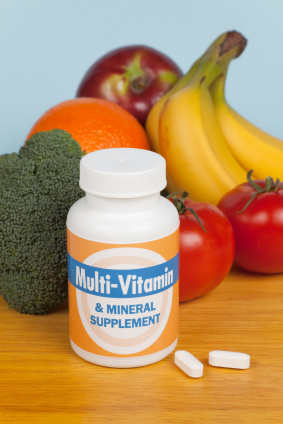
The protection that vitamins offer us against a variety of other diseases such as heart disease, Alzheimer's diseases, respiratory diseases and infectious diseases by boosting our immunity and eyes and skin function among others will be lost if these and other vitamins are deficient. The human body is at high risk of suffering from the symptoms and signs of the lack of each respective vitamin. Maintaining proper vitamin intake is quite simple, with the help of a healthy diet and a high-quality liquid multivitamin taken daily. Don't take a chance with your health - take preventative measures and combat these problems at hand with a quality multivitamin, today.
A good multivitamin is the foundation of health and nutrition. Take a look at our scientific reviews of many of the popular brands for factors such as ingredients, areas of improvement, quality level, and overall value. If you are looking for a high quality liquid multivitamin, we suggest that you take a look at the Multivitamin Product Comparisons.
