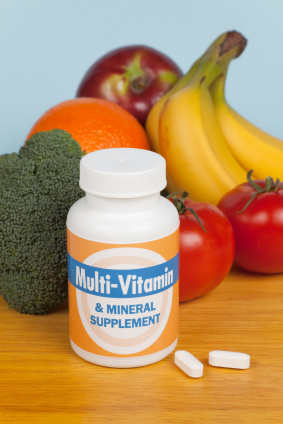
Vitamin Overdose
Vitamin Overdose
By: Dr. George Obikoya
With the increasing popularity of vitamins and nutritional supplements, it is necessary to look at all sides of this phenomenon, particularly from the safety angle.
Fortified foods and supplements are in these days. They are ideal for both the busy and the health conscious. A vitamin pill or a liquid multivitamin seems the ideal solution to compensate for a missed dinner. For dieters, it means you can limit your calories while still getting all the nutrients you need, right?
What's more? These supplements are little regulated if at all. You can pick anyone of them up at your neighborhood grocery. More and more people today add nutrients to their diet by selecting foodstuffs fortified with vitamins and minerals. Manufacturers add iron to your breakfast cereals or they even add vitamin C to sweets or vitamin A to margarine. This is something that is done regularly by the food industry and most people would argue this is a very good thing.
These products are intended to boost your health, but they can be anything but healthy if you grossly overdo it. Taken to excess, you actually can overdose on vitamins and other food supplements. The food industry needs to desist from advertising health benefits that are not backed up by science or putting far too much of certain items, like iron in their products.
As with most substances, it is the amount consumed that is the key. Almost anything is toxic if consumed in excess, including salt, alcohol and even water or oxygen! Provided that supplements are taken in the amounts recommended on the pack by the manufacturer or retailer, and the recommended doses are not exceeded by combining too many different supplements, then it is highly unlikely that supplements will cause toxicity.
Water soluble vitamins - such as the B group vitamins and vitamin C - cannot be stored by the body to any great extent, so if you take in more than your body needs, they are simply excreted. However, the fat soluble vitamins A and D can accumulate in the body, but pose no danger to your health if consumed within the safe upper limits indicated for them. The exception is in pregnancy, when large amounts of vitamin A may pose a risk to the developing infant.
Combining supplements will not normally interfere with the way they work and in some cases may be beneficial. However, certain supplements may interact with each other, for example, there is competition within the gut for the absorption of different minerals and a large dose of one might decrease the absorption of another or cause excessive absorption of another. Generally speaking though, this is not a problem. Take vitamin D and calcium for instance. No matter how much calcium you take, it will not be anywhere as beneficial as if you took a moderate amount of both vitamin D and calcium together.
Therefore a high quality liquid multivitamin and/or mineral product is best for all-round supplementation because it delivers nutrients in the right balance. Before combining supplements, people should consult their doctor, pharmacist or the company manufacturing the supplements for advice, or simply stick to a high quality multi that has most of what you need and simply add the additional nutrients you seek for your own specific needs.
As our bodies age, they become less efficient at absorbing some of the nutrients from our diet making it important to ensure that the right quantities of relevant vitamins and minerals are consumed. For example, as we get older our bodies are less able to absorb iron but Vitamin C can help increase absorption, as can multivitamins in liquid form. On the other hand, we are also more prone to toxicity as even water-soluble vitamins are not excreted as much because of our less efficient kidneys. Individual sensitivities and variations in response can occur, so if any unexpected symptoms appear whilst taking a particular supplement, medical advice should be sought.
If you suspect that you're taking too much of a vitamin or mineral, don't stop completely. Nutrition experts suggest cutting back to about half of your current dosage. Your body has adjusted itself to handle a massive dose, so if you stop altogether, it could trigger a deficiency.
If you're thinking about increasing the dosage of some nutrients or are just curious about your present vitamin regimen, consult your doctor or a registered dietitian. This is especially important if you have an illness such as diabetes or high blood pressure, since large doses of some supplements can interfere with the function of some medications.
Nonspecific symptoms, such as nausea, vomiting, diarrhea, and rash, are common with any acute or chronic vitamin overdose. Vitamin-caused symptoms may be secondary to those associated with additives (e.g, mannitol), colorings, or binders; these symptoms usually are not severe. Each vitamin also has specific symptoms associated with its overdose. The good news is that morbidity and mortality from pure vitamins are rare. One study of acute or chronic overdoses, with more than 40,000 exposures, reported 1 death and 8 major adverse outcomes. Contrast this with most of the drugs out there, which can, overtime, kill or injure thousands out of 40,000 exposures.
Remember, vitamins and minerals are natural and your body has evolved systems to deal with vitamin and mineral intakes. Your body has not developed anything to deal with artificial drugs, which is why overdosing with many different drugs can and is fatal. As long as you do not go overboard with your vitamin and mineral intake and are aware of the guidelines for specific supplements (which can be obtained from the back of any bottle) you are well on your way towards optimum health.
A good multivitamin is the foundation of health and nutrition. Take a look at our scientific reviews of many of the popular brands for factors such as ingredients, areas of improvement, quality level, and overall value. If you are looking for a high quality liquid multivitamin, we suggest that you take a look at the Multivitamin Product Comparisons.
