Can Vitamins Give Me More Energy?
Can Vitamins Give Me More Energy?
By: Dr. George Obikoya
Can Vitamins give me more Energy?
By: Dr. George Obikoya
Unlike protein, carbohydrates and fats, vitamins do not yield usable energy when broken down - they are truly calorie free. However, they assist the enzymes that release energy from carbohydrates, proteins and fats, while providing no energy themselves. This does not mean vitamins are not important! Although the vitamins themselves don't provide energy, many are required for chemical reactions that do produce energy. In this sense, vitamins can give you energy.
Vitamins are substances the body needs in small amounts to support most body functions and prevent disease. Vitamins play a role in energy production and growth; and work with each other and with other nutrients to keep our energy levels up, our hearts pumping, our bones and immune system strong, our digestive system moving and our skin and hair healthy.
Water-soluble vitamins include members of the B complex (thiamin, riboflavin, niacin, vitamin B6, folic acid, vitamin B12, pantothenic acid, biotin) and vitamin C. Most water-soluble vitamins support enzyme systems in the body but are excreted daily. Vitamin B3 and Coenzyme Q10 supplementation can contribute to your health and overall energy and stamina. The active coenzyme form of Vitamin B6, PLP is importance for human metabolism. It plays a vital role in the function of approximately 100 enzymes that catalyze essential chemical reactions in the human body necessary for energy production. 1,2.
For example, PLP functions as a coenzyme for glycogen phosphorylase, an enzyme that catalyzes the release of glucose stored in the muscle as glycogen.
Much of the PLP in the human body is found in muscle bound to glycogen phosphorylase. PLP is also a coenzyme for reactions used to generate glucose from amino acids, a process known as gluconeogenesis, or new glucose formation.
Vitamin B12 is involved in the biochemical reactions in our body that are important in the production of energy from fats and proteins. Vitamin C is required for the synthesis of carnitine, a small molecule that is essential for the transport of fat to cellular organelles called mitochondria, for conversion to energy.3 It is for this reason that vitamin b12 is known as the "energy vitamin."
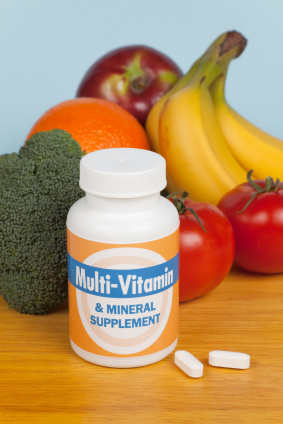
Vitamins help convert food into energy which your body needs to stay warm, active, and healthy. However, well-nourished individuals cannot increase their physical capacity by simply taking extra vitamins. People who consume an unbalanced daily diet or do not get proper vitamins may suffer from fatigue. In this case, taking multivitamin supplements may help restore energy and revitalize your mental and physical energy levels.
As we have learned, vitamins have no caloric value, and are not sources of direct energy. However, vitamins do help your body use or release energy present in food. A lack of vitamins and ordinary dietary nutrients play a major role in diseases known as Chronic Fatigue Syndrome and Fibromyalgia (CFS/FMS). Other nutrients that affect the body's production of energy at the cellular level (in the mitochondria) can also be very helpful in these syndromes. Fatigue in itself suggests low energy production or utilization.
Research studies have shown that mitochondrial dysfunction is often to blame. The mitochondrion is the powerhouse in our cells. Think of it as the engine in your car.
Fortunately, there are a number of natural treatments available to improve mitochondrial function. Coenzyme Q10, iron, and copper are critical for electron transport system (ETS) function, a major part of the energy production cycle.
Do Antioxidants Improve Athletic Performance? They won't improve performance, but they may reduce the extra free radicals that probably come from the increased oxygen intake and the burning of blood sugar and fat associated with exercise, as well as limit exercise-related DNA damage.
A 1995 study published in Mutation Research found that high doses of vitamin E prevented DNA damage in a group of men who exercised on a treadmill until exhaustion. If you regularly engage in strenuous exercise, especially in the sun, consider taking 400 to 800 IU of natural vitamin E (d-alpha tocopherol) daily.
Bottom line: Our bodies use vitamins every day during the normal biochemical processes that maintain life. Taken as recommended, liquid multivitamins most efficiently help release energy from our food, and support growth, healing, and repair. An ongoing shortage of vitamins will lead to failed health, weakness, susceptibility to disease, and may ultimately result in death, but the first signs of this are lethargy, weakness and lack of energy.
A good multivitamin is the foundation of health and nutrition. Take a look at our scientific reviews of many of the popular brands for factors such as ingredients, areas of improvement, quality level, and overall value. If you are looking for a high quality liquid multivitamin, we suggest that you take a look at the Multivitamin Product Comparisons.
References
1. Leklem JE. Vitamin B-6. In: Machlin L, ed. Handbook of Vitamins.
New York: Marcel Decker Inc; 1991:341-378.
2. Leklem JE. Vitamin B-6. In: Shils M, Olson JA, Shike M, Ross AC, eds. Nutrition in Health and Disease. 9th ed. Baltimore: Williams & Wilkins; 1999:413-422.
3. Carr AC, Frei B. Toward a new recommended dietary allowance for vitamin C based on antioxidant and health effects in humans. Am J Clin Nutr. 1999;69(6):1086-1107.
